Seoul YesBio completes patent application for plasma freeze-drying and manufacturing method
With the amendment to the Act on the Safety and Support of Advanced Regenerative Medicine and Advanced Biopharmaceuticals (Advanced Regenerative Medicine Act) having taken full effect since last February and public interest in the field growing, Seoul Yes Bio, a company engaged in advanced regenerative medicine, announced that it has filed a patent application for a method of freeze-drying and manufacturing plasma.
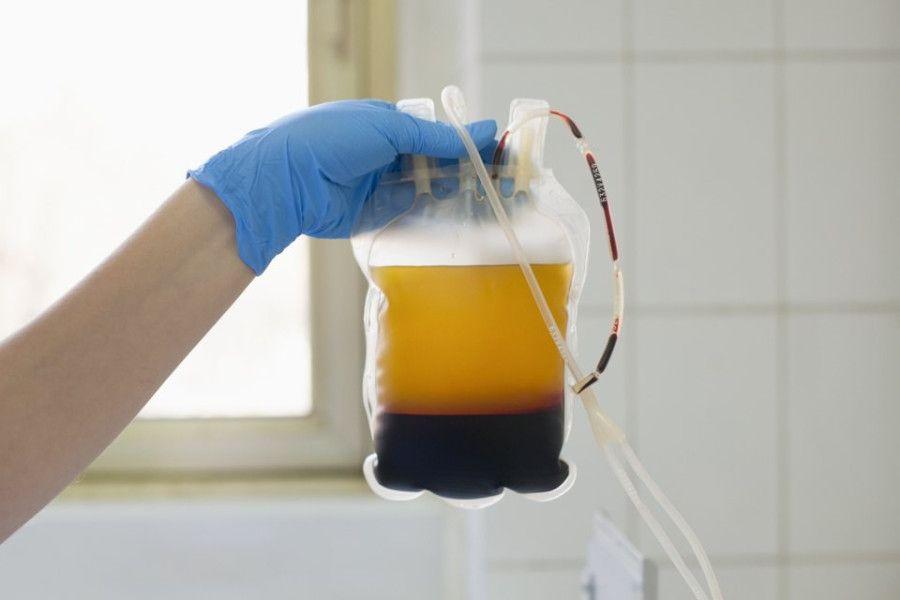
Seoul Yes Bio, in collaboration with Seoul Yes Hospital, has completed a domestic patent application for “Freeze-dried platelet-deficient plasma and a method for its manufacture.” The patent application covers a technology that enables the production of freeze-dried products with excellent physical properties by freeze-drying platelet-depleted plasma or platelet-depleted plasma proteins under specific conditions, including temperature, time, and the use of preservation solutions. Through this technology, it has been confirmed that the performance of the freeze-dried plasma proteins does not degrade but actually improves after freezing.

Kim Song-shin, CEO of Seoul Yes Bio, stated, “This patented technology lays the groundwork for utilizing platelet-poor plasma, which contains numerous active factors, in therapeutic applications. We expect it to be effective in treating pain conditions such as arthritis when used in combination with bone marrow aspirate concentrate (BMAC) therapy. Moving forward, we aim to validate its therapeutic efficacy through advanced regenerative medicine clinical trials and develop it into a therapeutic agent.”
Seoul Yes Bio is a cell therapy R&D company established with investment from Seoul Yes Hospital to conduct advanced regenerative medicine clinical research and treatment. In line with the amendment to the Advanced Regenerative Medicine Act, the company plans to conduct advanced regenerative medicine clinical research jointly with Seoul Yes Hospital by 2025, based on the cell therapies it has developed to date.
The company has been at the forefront of developing cell therapies for advanced regenerative medicine clinical research and treatment, and has filed three patents related to bone marrow stem cell culture for the treatment of conditions such as cartilage regeneration and arthritis.