Seoul Yes Hospital...Advanced regenerative therapy research in full swing
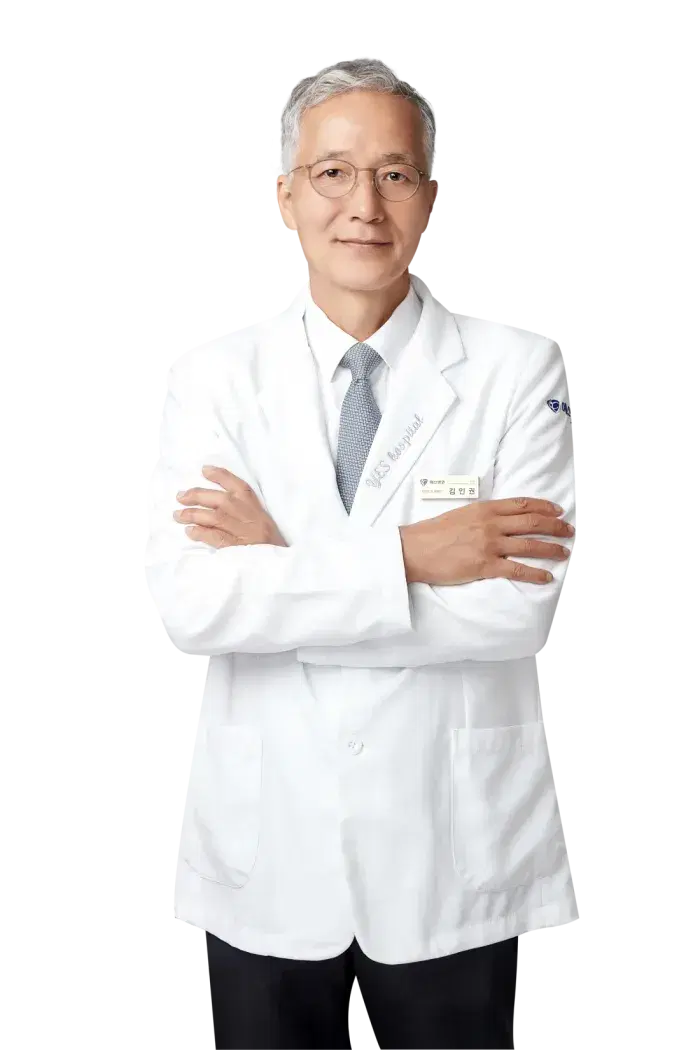
Under the leadership of Hospital Director Kim In-kwon, research into treatments for intractable diseases is gaining momentum
Seoul Yes Hospital selected as an advanced regenerative medicine facility in late 2024
Patient access to treatment expanded with the implementation of the revised Advanced Regenerative Medicine Act on February 21
Seoul Yes Hospital, selected as a new Advanced Regenerative Medicine Implementation Institution last December, is accelerating its research into advanced regenerative therapies.
Advanced regenerative medicine is an innovative medical technology that restores normal function by replacing or regenerating damaged human cells, tissues, and organs using stem cells, genes, and tissue engineering. It is a field attracting global attention for its potential to provide new treatment opportunities for serious, rare, and intractable diseases that are difficult to treat with conventional drugs.
In particular, the amendment to the Act on the Safety and Support of Advanced Regenerative Medicine and Advanced Biopharmaceuticals (Advanced Regenerative Medicine Act), which took effect on February 21 of this year, expanded the scope of treatment beyond patients participating in clinical trials. As a result, patients in need of treatment can now more easily access advanced regenerative therapies, and research and treatment are expected to become even more active.
Dr. Kim In-kwon’s Research Leadership
At the center of Seoul Yes Hospital’s advanced regenerative therapy research is Hospital Director Kim In-kwon (MD, PhD / Orthopedic Surgeon). Director Kim is not only a renowned physician with extensive experience in the medical field but has also garnered significant public attention, most recently for his commencement address at Seoul National University.
Invited as the keynote speaker at the Seoul National University commencement ceremony on February 26, he delivered a deeply resonant message urging graduates to “become peacemakers who bring harmony to those around them,” demonstrating his qualities as a social leader beyond his role as a medical professional. His speech moved many and has become a great inspiration not only within the medical community but across various sectors of society.
Dr. Kim In-kwon, who has been active in the field of joint treatment for nearly 50 years, stated, “Based on my extensive clinical experience, I plan to focus on cutting-edge regenerative therapy research,” adding, “In particular, I will concentrate my efforts on research in the fields of cartilage regeneration and cellular recovery using stem cells obtained from patients’ bone marrow.”
Advancing Research Infrastructure Through Facility Investment, Academic Exchange, and Talent Recruitment
Since establishing its research institute in 2023, Seoul Yes Hospital has continuously expanded its research on musculoskeletal disorders. To this end, the hospital is actively conducting research centered on its in-house institute, utilizing bone marrow and adipose-derived stem cells, with the goal of applying these findings to the treatment of intractable musculoskeletal disorders.
In particular, Seoul Yes Hospital has been engaging in academic exchanges with Japan’s Oda Clinic for the past three years, continuously adopting Japan’s advanced regenerative medicine technologies. Through this collaboration, the hospital is developing treatment methods that reflect the latest global research trends and further enhancing the precision of personalized patient care.
Furthermore, Seoul Yes Hospital has strengthened its research capabilities by recruiting leading domestic and international experts to advance cutting-edge regenerative medicine. The hospital continues to make systematic preparations for the implementation of advanced regenerative medicine with the addition of Dr. Cho Seong-hoon, former Director of the Advanced Regenerative Medicine Center at Cha Hospital; Dr. Kim Hyung-gu, a renowned joint specialist and former Director of Yongin Davos Hospital; and the Director of the Research Institute, a former senior researcher at Cha Hospital in Japan.
Based on these efforts, the hospital was designated as an Advanced Regenerative Medicine Institution by the Ministry of Health and Welfare to ensure patient safety during the implementation of advanced regenerative medicine. Furthermore, to produce advanced regenerative materials (such as stem cells), the hospital
Good Manufacturing Practice (GMP) facilities and systems for the production of advanced regenerative materials (such as stem cells), and has also obtained certification for cell processing facilities from the Ministry of Food and Drug Safety.
Through these efforts, the institute has established an innovative treatment system where tissue harvesting, cell isolation and concentration, culture, and procedures are all performed under one roof.
Shaping the Future of Advanced Regenerative Medicine
Seoul Yes Hospital, which is setting a new standard for advanced regenerative medicine, operates a separate clinical research facility that enables rapid treatment without the risk of infection. It has also introduced a “bone marrow banking system” that stores patients’ autologous bone marrow and adipose-derived stem cells for use when needed.
Hospital Director Kim In-kwon emphasized, “For patients with knee osteoarthritis, it is best to receive treatment during the early to mid-stages of the disease, before cartilage damage progresses further.” He added, “We will continue our research to develop effective treatments that allow patients with knee osteoarthritis to preserve their own joints through early diagnosis and treatment, and we also plan to conduct parallel research for patients with intractable musculoskeletal pain of unknown origin.”